

HEALTH ESSENTIALS
Walking to Lose Weight
Photos: Getty Images
If you’re looking to shed a few pounds, your weight-loss journey can begin by taking a few thousand extra steps each day. A dedicated walking plan can help move you toward the number you want to see on your scale. It’s an easy way to burn calories and melt body fat, while also improving your overall health, according to Cleveland Clinic exercise physiologist Christopher Travers, MS. “A lot of people have a hard time getting motivated to start exercising,” he says. “But walking is simple, right? We do it every day.”
Feel the burn
Hauling yourself around takes energy — and that’s reflected in the calories burned while walking.
A 150-pound person walking a mile in 20 minutes will burn about 74 calories, according to the American Council on Exercise Physical Activity Calorie Counter. Pick up the pace to a 15-minute mile, and you torch 113 calories.
If you weigh more, you’ll burn more calories because it takes more energy to move more mass. Likewise, you’ll burn fewer calories if you weigh less.
“The more calories you burn, the more likely you are to create a calorie deficit — meaning you’re burning more calories than you’re taking in,” explains Travers. “This forces your body to use stored energy, such as fat, which can lead to weight loss over time.”
Benefits of walking to lose weight
Walking more can also help reshape your body by:
Burning belly fat: Researchers found that a consistent, long-term walking program can effectively decrease total body fat, particularly visceral fat buried deep in your midsection.
Preserving lean muscle mass: Use it or lose it, right? Walking helps strengthen and preserve muscle mass even as you lose weight. This is particularly important as you age and experience a natural decline in muscle.
Boosting your metabolism: A higher metabolism increases the number of calories your body burns at rest and during activities, which can contribute to overall weight loss over time.
How much should you walk for
weight loss?
Any discussion about walking typically starts with a popular target: 10,000 steps, which is usually about 5 miles. But all those steps don’t always equal meaningful exercise.
The reason is simple: “Not all steps are created equal,” says Travers. “Think of it like this: Slowly shuffling around a store boosts your step tally, but it’s not doing a whole lot from a weight loss or fitness point of view.”
For a true fitness payoff, walking should reach a “moderate intensity” level of exercise and last long enough to challenge your body. (Note: At moderate intensity, you should be able to carry on a regular conversation while moving.)
Given that, Travers suggests counting minutes instead of steps.
Ideally, you should look to get at least 150 minutes of moderate aerobic activity (like walking) per week. That follows guidelines set by the American Heart Association. But that target is for heart health, not weight loss.
To drop pounds, the activity goal rises a bit. The Physical Activity Guidelines for Americans recommend doing more than 300 minutes of exercise per week for weight loss and long-term weight management. (That’s an hour of activity five days a week.)
How to make a walking plan
An exercise routine works best when it fits into your daily life. “You need to make it part of your routine,” says Travers. “This is about adjusting your lifestyle for your health.”
Start slow in your workouts to build strength and endurance. Do what’s comfortable at first, then gradually increase your pace and distance. As you become fitter, your workload will need to grow to achieve the same calorie-burning benefits.
To help along the way, try these tips:
Start slow. Add a comfortable 15-minute walk to your routine as a first step, suggests Travers. Try to do it at least a few days a week at first. If you feel up to it, make it a daily activity.
Schedule your walks. Create an appointment on your calendar for your walk. “If you had a dinner date, you’d make sure to block off the time,” Travers says. “Treat exercise the same way.”
Spice it up. Don’t just plan a walk. Plan an adventure. Finding new trails or areas to explore on foot can add interest to your routine. Adding routes with a few hills or difficult terrain (like sand) can increase your effort and calorie burn, too.
Set goals. Challenge yourself to walk a certain length of time or distance and monitor your progress. Or maybe consider a virtual event where you log miles to “travel” across another country or state.
Get a buddy. “Accountability partners can be really helpful,” says Travers. “They’ll get you out the door on days when you might not feel like going.”
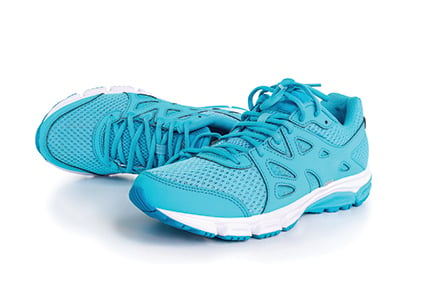
Wear the right gear. Wearing walking shoes that support and protect your feet is essential. “Nobody wants to go out on a long walk if it makes their feet hurt,” says Travers. Dress for the weather, too.

Walk-off thoughts
Can walking help you reach your weight loss goals? Absolutely! But it works best when paired with healthy eating habits.
“They go hand in hand,” says Travers. “You can’t out-exercise poor nutrition.”
His best advice? Stay positive and keep at it. “If you miss a day or two, that’s fine,” he says. “Just get back on that horse. Walking to manage your weight or improve your health isn’t a one-day thing. It’s a long-term commitment.”
Ask the expert
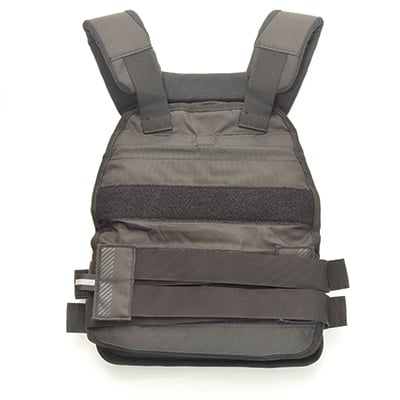
Should I wear a weighted vest while walking?
Cleveland Clinic exercise physiologist Christopher Travers, MS, says: “Weighted vests can be a helpful add-on, but they’re not required to get the benefits of a good walking routine. Weighted vests should be used lightly, gradually and only when someone already has a strong baseline of walking fitness.”